Twin Mom Claus Graphics and Crafts Review
As a graphic designer who frequently bridges the gap between digital assets and physical production, I approach every new graphic design asset with a mix of curiosity and skepticism. When a client approaches me with a request for seasonal branding—specifically for a holiday-themed product line or a boutique gift shop—the visual tone must be precise. It needs to feel authentic, warm, and commercially viable without slipping into cliché. This is exactly where I found myself when evaluating Twin Mom Claus. The prompt was clear: create a cohesive visual identity for a handmade business launching a limited-edition holiday collection. The goal was to leverage existing design assets that could streamline the process while maintaining a high level of polish.
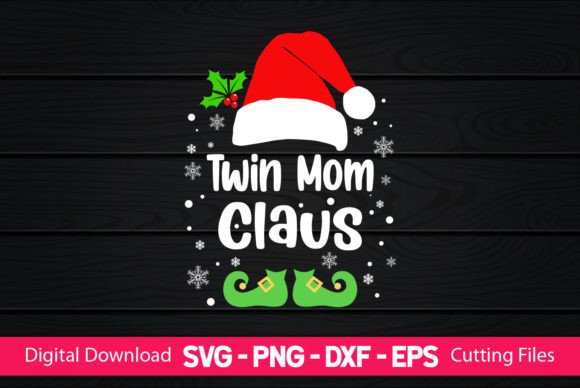
My first impression of Twin Mom Claus was immediate clarity. In a sea of generic holiday clipart, this design stands out because it understands its own context. It is not merely an illustration; it is a strategic creative design element intended for cutting machines and print-ready applications. The file structure, which includes SVG, PNG, DXF, and EPS formats, signals that this is a professional-grade resource. For designers working on brand identity or logo design, having vector-based inputs is non-negotiable. It allows for infinite scalability, ensuring that whether the asset appears on a tiny product tag or a large storefront banner, the edges remain crisp and the visual hierarchy holds strong.
The Mood and Visual Direction
The aesthetic of Twin Mom Claus leans heavily into modern nostalgia. It captures the cozy, intimate feeling of family traditions during the holidays, making it an ideal fit for handmade business projects. When I placed this asset into a mockup for a set of holiday gift boxes, it didn’t just sit there; it anchored the composition. The design works exceptionally well as a central hero graphic in marketing visuals such as Instagram posts, Pinterest pins, and email newsletters. Its balanced proportions allow it to command attention without overwhelming surrounding text or supporting elements.
For content creators and bloggers, this type of digital product offers significant versatility. It can serve as the cornerstone of a themed collection, appearing consistently across packaging, social media graphics, and website headers. The emotional appeal of the design fosters a sense of trust and recognition, which is crucial for small business branding. Customers connect with designs that feel personal and heartfelt, and Twin Mom Claus delivers that warmth effectively. It suggests a narrative of care and celebration, which aligns perfectly with the values of most craft-focused audiences.
Practical Applications in Client Projects
In my workflow, I often test how an asset performs across various mediums before recommending it to a client. Here is how Twin Mom Claus held up during a simulated project for a local artisan market:
- Packaging Design: The clean lines of the SVG format made it easy to integrate into label templates. Whether used on kraft paper tags or glossy sticker sheets, the design maintained its integrity. It served as a perfect decorative accent that elevated the perceived value of the final product.
- Merchandise and Apparel: For t-shirt design or mug sublimation, the raster PNG provided a transparent background that blended seamlessly with different fabric colors. The detail level was sufficient for direct-to-garment printing, ensuring that the twin figures remained distinct even after the heat press process.
- Digital Marketing: When adapted for web design and social media graphics, the asset proved highly effective. It worked beautifully in Canva templates, allowing small business owners to quickly generate consistent promotional materials. The aspect ratios were flexible enough to fit both square and vertical layouts common on platforms like Instagram and TikTok.
- Crafting and DIY: For clients using Cricut or Silhouette machines, the DXF and SVG files were ready to cut straight out of the box. There was no need for extensive tracing or cleanup, which saved hours of labor. This efficiency is vital for print-on-demand sellers who need to scale production quickly.
Strategic Considerations and Limitations
No single asset is a silver bullet, and honest design judgment requires acknowledging where a tool should be used carefully. While Twin Mom Claus is versatile, it has specific constraints that designers must respect to maintain professionalism.
First, consider the scale. Like many illustrative assets, it performs best in large layout areas or as standalone focal points. Attempting to use it as a subtle pattern fill or in extremely small sizes can result in a loss of detail. The fine lines may blur or disappear entirely, leading to a muddy appearance that undermines the visual hierarchy of the design. Similarly, in crowded layouts with heavy typography or complex backgrounds, the asset can get lost. It requires breathing room to shine.
Furthermore, contrast is key. On low-contrast backgrounds, such as light gray or pastel tones, the design might lack the pop needed to grab attention. Designers should always preview the asset on actual material samples or realistic mockups to ensure legibility. If the client’s brand palette is strictly monochromatic or minimalist, this colorful or detailed illustration might clash with the desired aesthetic. In such cases, it is better suited for editorial design pieces or festive campaigns rather than core corporate materials.
Technical Checklist for Designers
Before incorporating any commercial design asset into a paid project, a rigorous technical review is essential. Here is the checklist I apply to ensure quality control:
- File Format Inspection: Verify that the SVG is truly vector-editable. Open it in Adobe Illustrator or Affinity Designer to check for unnecessary anchor points or grouped elements that might complicate editing. Ensure the PNG has true transparency and high resolution (300 DPI) for print readiness.
- Contrast and Readability: Test the asset in black and white to evaluate its shape and silhouette. Does it hold up without color? Check its performance on both light and dark backgrounds to ensure sufficient contrast for accessibility standards.
- Mockup Integration: Place the design on real-world objects. Use product mockups for mugs, tote bags, and stickers to see how the curves and angles translate to three-dimensional surfaces. This step often reveals issues that flat screens hide.
- Typography Pairing: Evaluate how Twin Mom Claus interacts with your chosen fonts. Compare it against serif, sans-serif, script, and handwritten font styles. The right typographic pairing can enhance the nostalgic mood, while the wrong one can create visual dissonance.
- Licensing Verification: Most importantly, confirm the commercial license. Even if the asset is labeled for cutting machines, ensure you have the rights to use it for resale items, marketing materials, and client deliverables. Ambiguity here can lead to legal complications down the line.
Final Verdict for Professional Use
Ultimately, Twin Mom Claus is a robust addition to any designer’s library of design assets. It strikes a balance between artistic charm and technical utility, making it suitable for a wide range of industries from crafts to e-commerce. For brand owners and marketers looking to inject holiday cheer into their campaigns without starting from scratch, this asset provides a solid foundation. It supports a polished, cohesive look that resonates with consumers seeking authenticity in their purchases.
Whether you are creating a design bundle for an Etsy shop, developing a seasonal campaign for a local boutique, or simply enhancing your own creative marketplace presence, Twin Mom Claus delivers on its promise. It is more than just a cute image; it is a functional component of a larger design strategy. By understanding its strengths and respecting its limitations, designers can leverage this asset to create compelling, professional-grade work that drives engagement and sales. In the world of modern design, where speed and quality must coexist, tools like this are invaluable partners in the creative process.